Role:
Director of Design, EMEA
Year:
2019
B2B
B2C
SaaS
Design
Research
Brand
App
Web
AI
my Role
What I achieved
Delivery Tracker drove a 40% reduction in "Where’s my order?" customer queries for retailers.
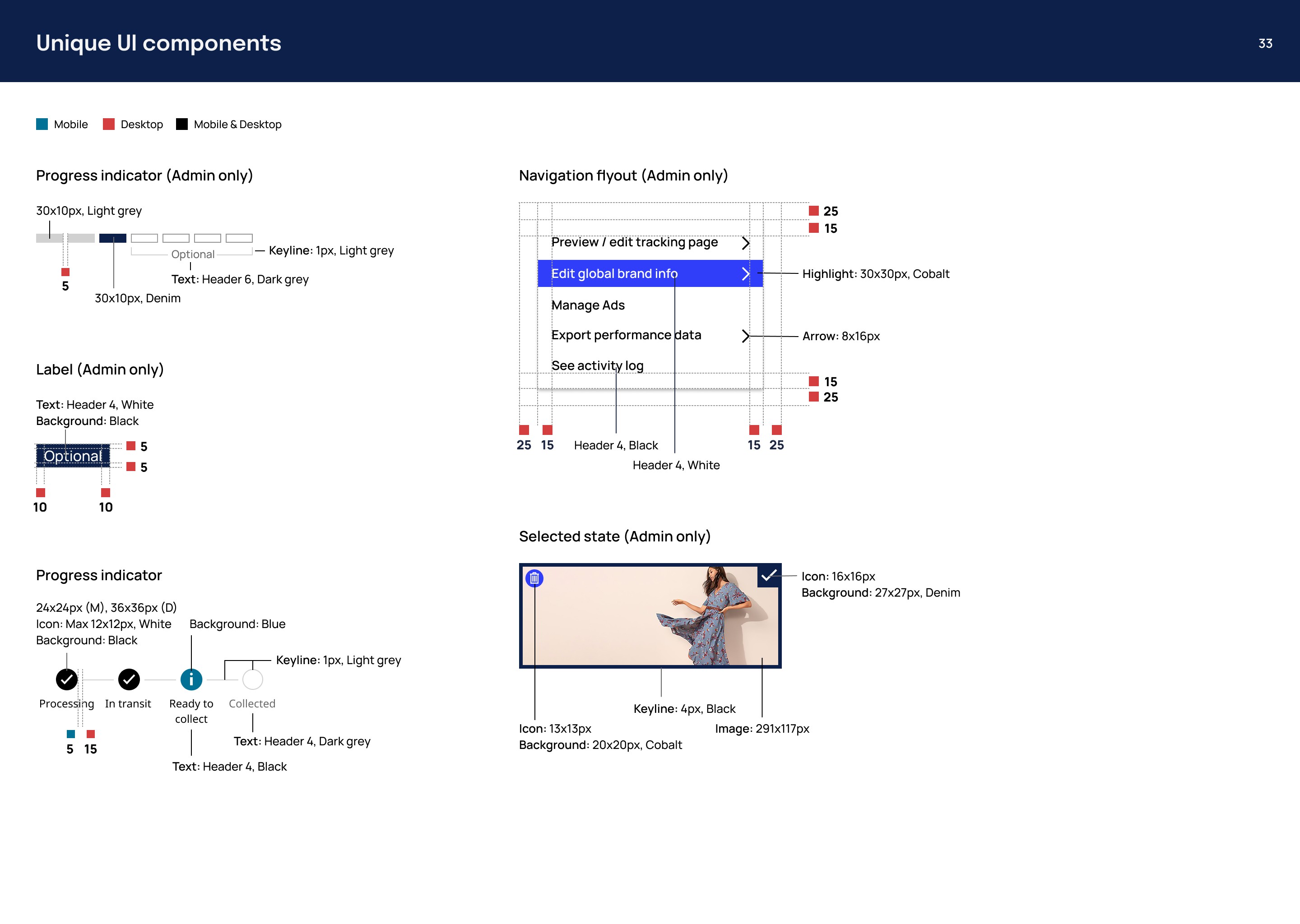
Established a flexible, white-label Design System and comprehensive brand guidelines.
Delivery Tracker was adopted by multiple brands including: Monsoon, SportsShoes.com, and The Royal Mint
Success in leading my team saw me promoted to Director, Design EMEA
What Is Delivery Tracker?
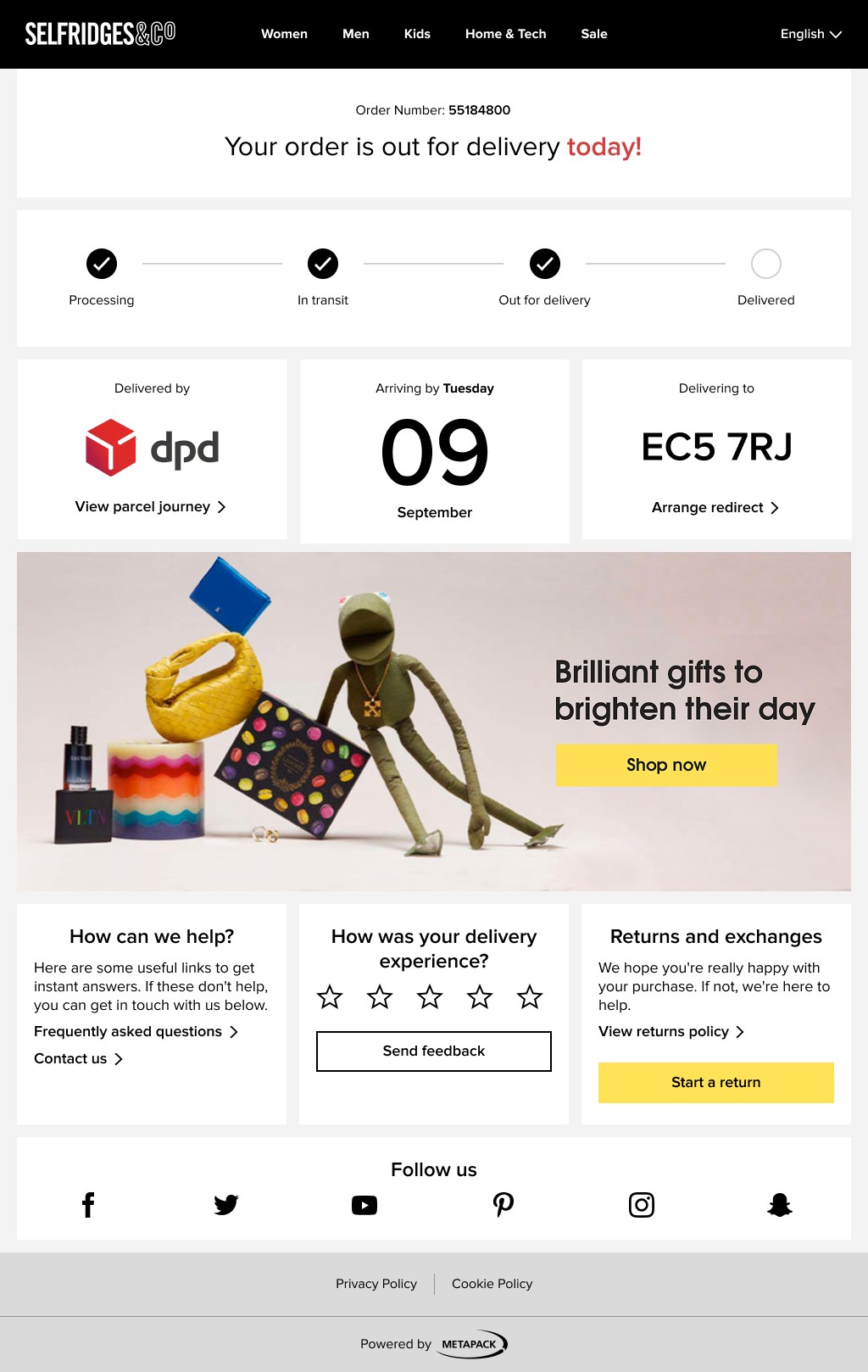
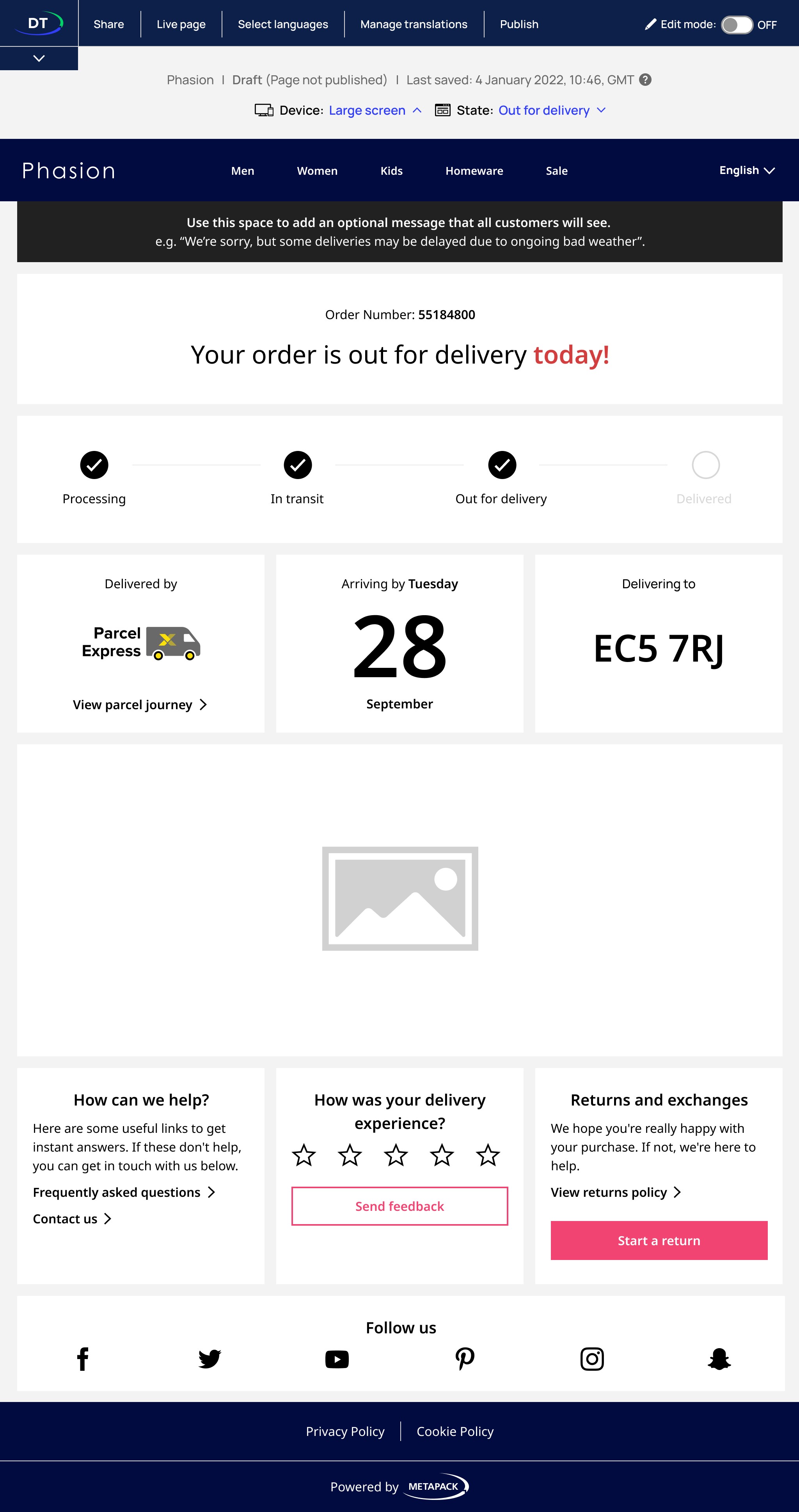
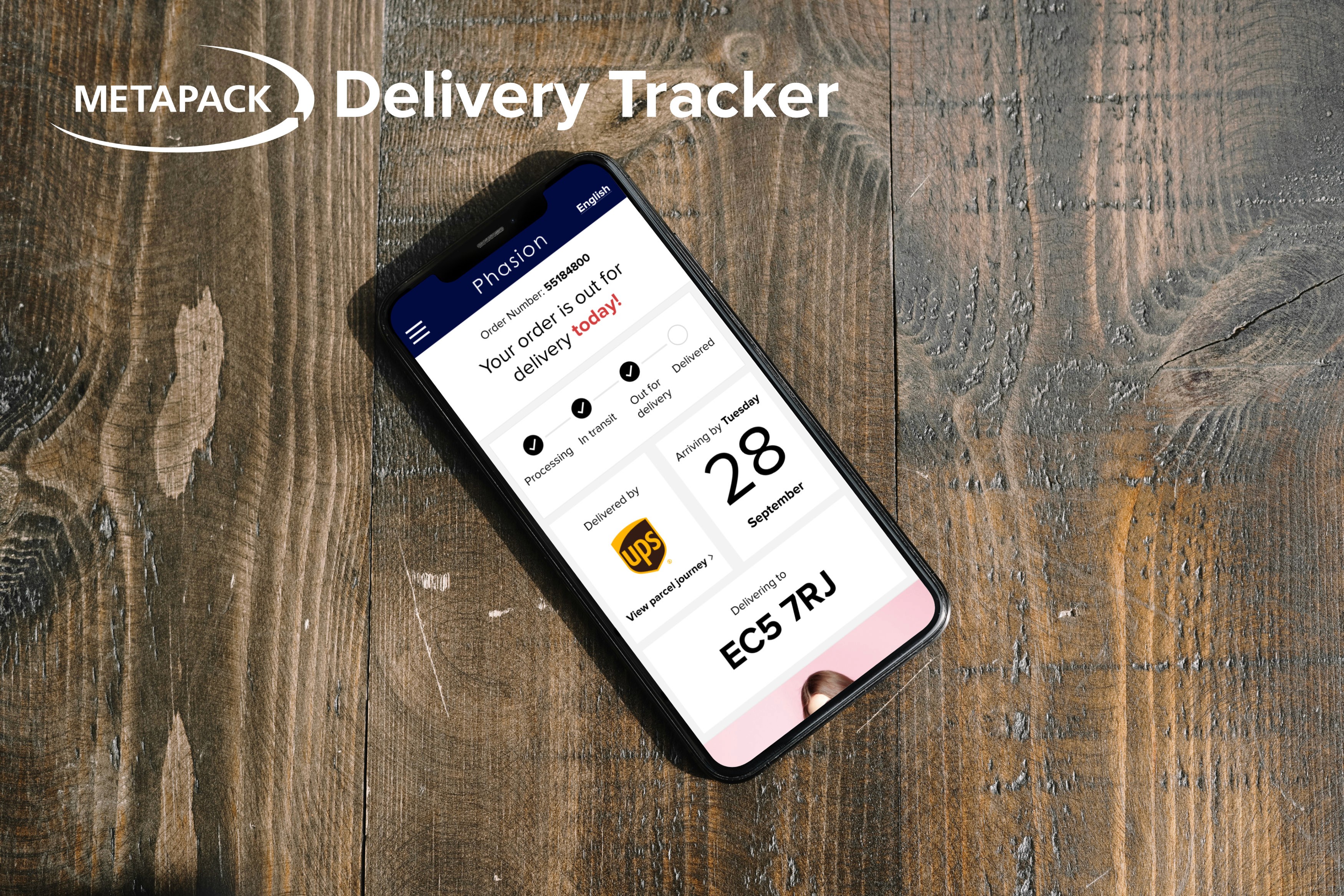
Delivery Tracker is a white-label SaaS product that allows retailers to take control of the post-purchase delivery experience. Instead of sending customers away to a carrier's confusing website, retailers can provide a clear, branded tracking experience on their own domain.
Delivery Tracker is for:
Retailers (Enterprise clients): Looking to drastically cut down the £5 average cost per WISMO call, whilst retaining brand control and opening up new advertising revenue opportunites within the tracking journey.
End Consumers: Seeking clarity and certainty of where their goods are.
Defining the strategy, vision and customers
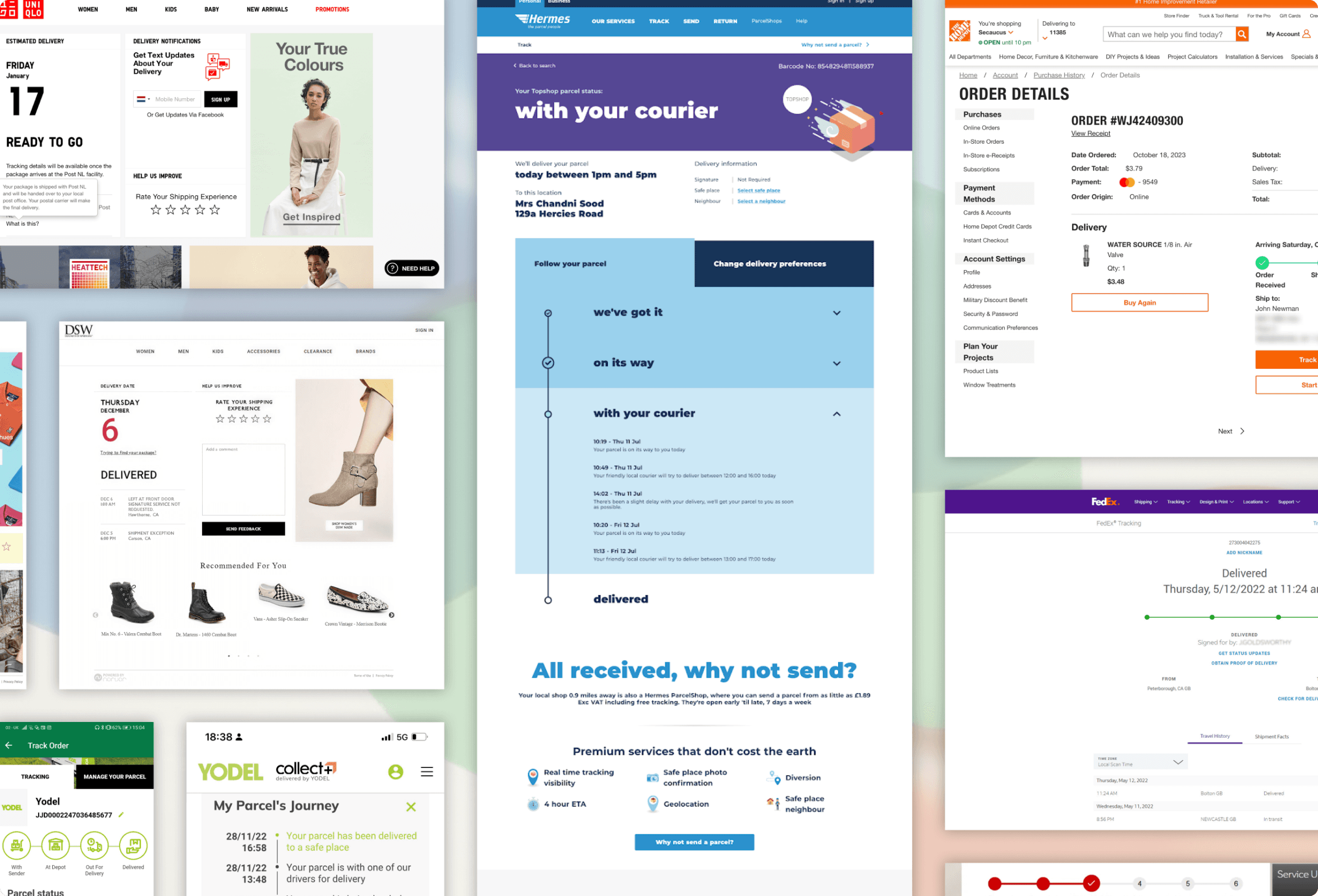
Before hiring a team I needed to clearly define some fundamentals like target audience, business objectives, etc. One of the most challenging parts was making sense of messy data. With 400+ logistics providers in the UK alone, I had to define a strategy to normalise tracking events and taxonomy across the industry.
To get buy-in and define the vision, I led a series of cross-functional Co-Design workshops with Product Managers, Engineers, and SMEs. We sketched the high-level experience together, defined user stories, and locked in our core Design Principles (like "Design for certainty"). I then drove rigorous prototype testing with both retailers and consumers.
Hiring & Scaling The Team
During my time as Director of UX, whilst delivering Delivery Tracker, my team remained relatively small at 3-5 people, augmented using contract resource.
After I'd outlined the concept and defined the product canvas (objectives, user, etc); it was neccesary to delivery designs and assets at pace, especially to match Engineering's velocity. I therefore hired 3 Design Leads at pace, working with agency partners and utilising my own network. I made sure to produce clear and concise job/role descriptions, and involved members of Engineering and Product in the hiring proccess, to form a well-rounded opinion of candidates.

Following my promotion to Director of Design, EMEA, the shape of my team and my responsibilities changed significantly. I went from a team of 5, focussed on UI/UX to a team of 18+, spread across multiple countries, spanning UX,UI,Ops and Research. To manage a team of this size, I created a reporting line under me consisting of 4 teams: 3 focussed on product verticals and one focussed on Research and Design Operations (inc. Systems). I realised that having a team dedicated to each brand wasn't viable or justified, as the ROI and roadmaps woudn't suport this. Instead I oped to focus on product areas common to all the brands, since all brands were focussed on delivering Shipping SaaS Products.
The 'new team vs old team' challenge
The most significant challenge I faced was when I first became leader of my larger team, was that new members were alienated by the relationships and culture we had within my smaller team.
To successfully overcome this, I did the following:
Ensured there were no silos and no favourites.
The team would learn all news and information at the same time - no side chats on 'team' issues.
Started to build rapport and understanding.
I organised a series of off-sites and activities, both virtual and in-person.
Creating a new way of working and culture from the ground-up.
Through a series of 121 sessions, team surveys and workshops, we defined new processes, ways of working and socials - the foundations of our new culture.
Establishing clear team goals and routines.
I worked with the team to define Design Team goals and established routines… Read more in the Design Foundations section.